
Our company

A fuel oil terminal run by the people who load the product

Maverick Fuel Oil Terminal operates tankage, a loading rack and marine berths on the Corpus Christi Ship Channel. We are independent, operator-owned and built to make storage decisions quickly.

Our story

From one diesel tank to a 1.2 million barrel terminal

We started with a single 60,000 barrel diesel tank, a rented loader and a hand-written gauge book. The premise was simple: a terminal should tell a customer exactly what is in the tank, when the truck can load and what the paperwork will say.

Today the site holds 1.2 million barrels across heated and unheated tanks, two ship channel berths and a rack that never closes. The premise has not changed — customers still get their answer from the person who can see the tank.

Our team is deliberately small: a terminal manager, a dispatch desk, two shift crews, an HSE lead and a documentation team that handles custody paperwork for every movement.

At a glance

  • Operator-owned
  • Deep-water berths
  • Heated tankage
  • In-house blending
  • Digital inventory
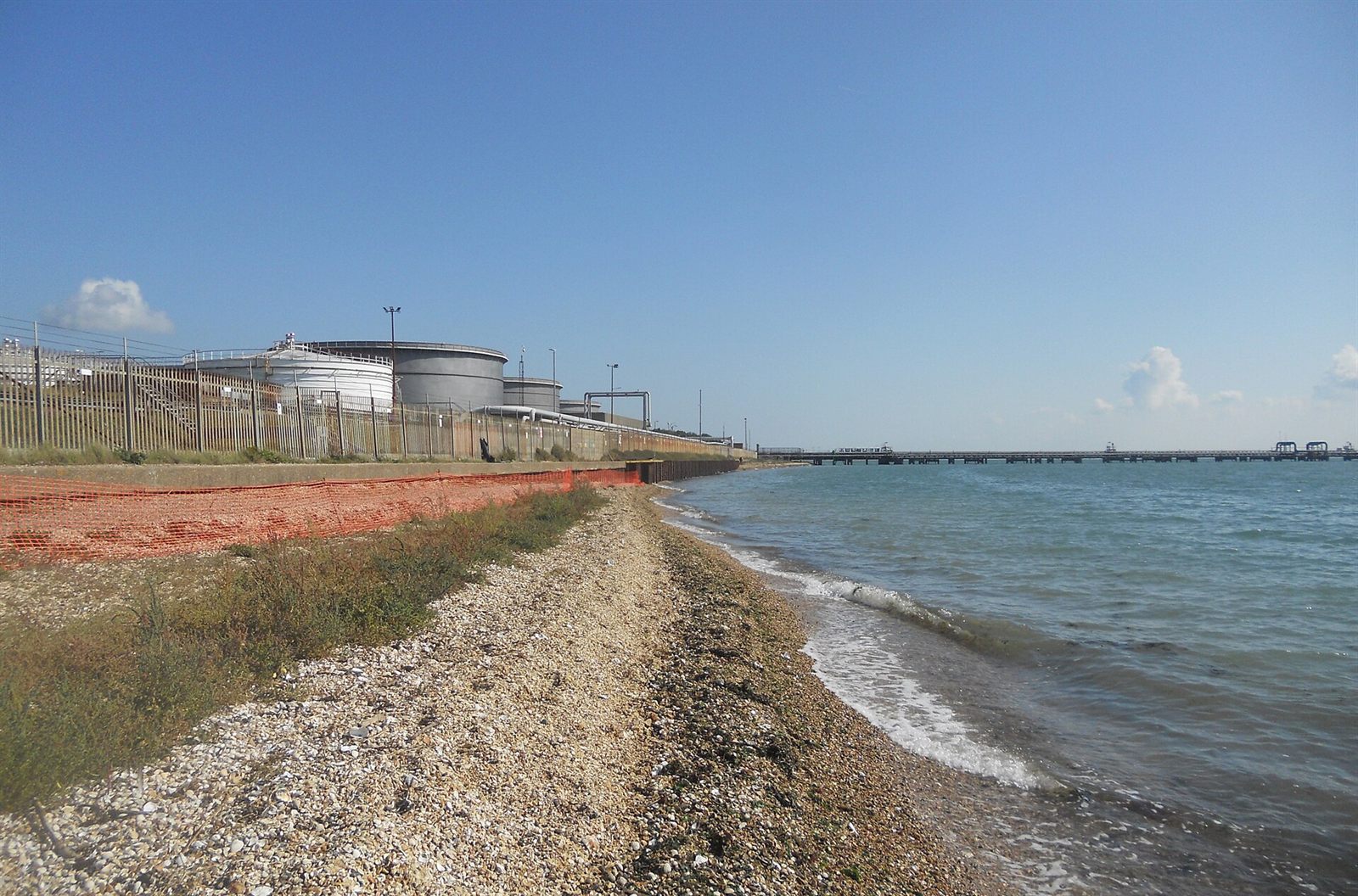
White storage tanks and bunded transfer pipework at the fuel oil terminal

Where we operate

4669 Joe Fulton Corridor, Corpus Christi, Texas — inside the Port of Corpus Christi, minutes from the ship channel turning basin.

0M bbl

Operating tankage

0/7

Terminal operations

0+

Vessel calls a year

Mission & approach

Why we exist, and how we measure ourselves

Anybody can rent a tank. The difference shows on the day a barge arrives early and the paperwork has to match the gauge.

Our mission

Move fuel oil safely and predictably. Every receipt, blend and dispatch is planned, gauged and documented before the next one begins.

Our vision

Be the Gulf Coast terminal traders call first when a cargo has to move without drama, because capacity, paperwork and people are already in place.

How we measure it

Dispatch windows met, custody variances held under 0.15%, zero unplanned releases and every enquiry answered within one business day.

Safety & compliance

Safety is the operating licence, not a slogan

A fuel oil terminal only keeps its licence if nothing goes into the ground and nothing goes over the wall. Our procedures are written around that principle, and they are audited by the port, our insurers and our customers.

  • ISPS facility plan with controlled access, visitor logs and 24/7 gate supervision.
  • MARPOL-aware transfer procedures for every vessel and barge connection, including pre-transfer checklists.
  • Emergency response drills run with the port authority and local fire services every quarter.
  • Contractor induction before anyone enters the tank farm, plus permit-to-work for hot work and confined space.
  • Tank inspection programme following API 653 intervals, with records available to customers on request.
  • Spill prevention and containment including bunding, closed drainage and an on-site response trailer.
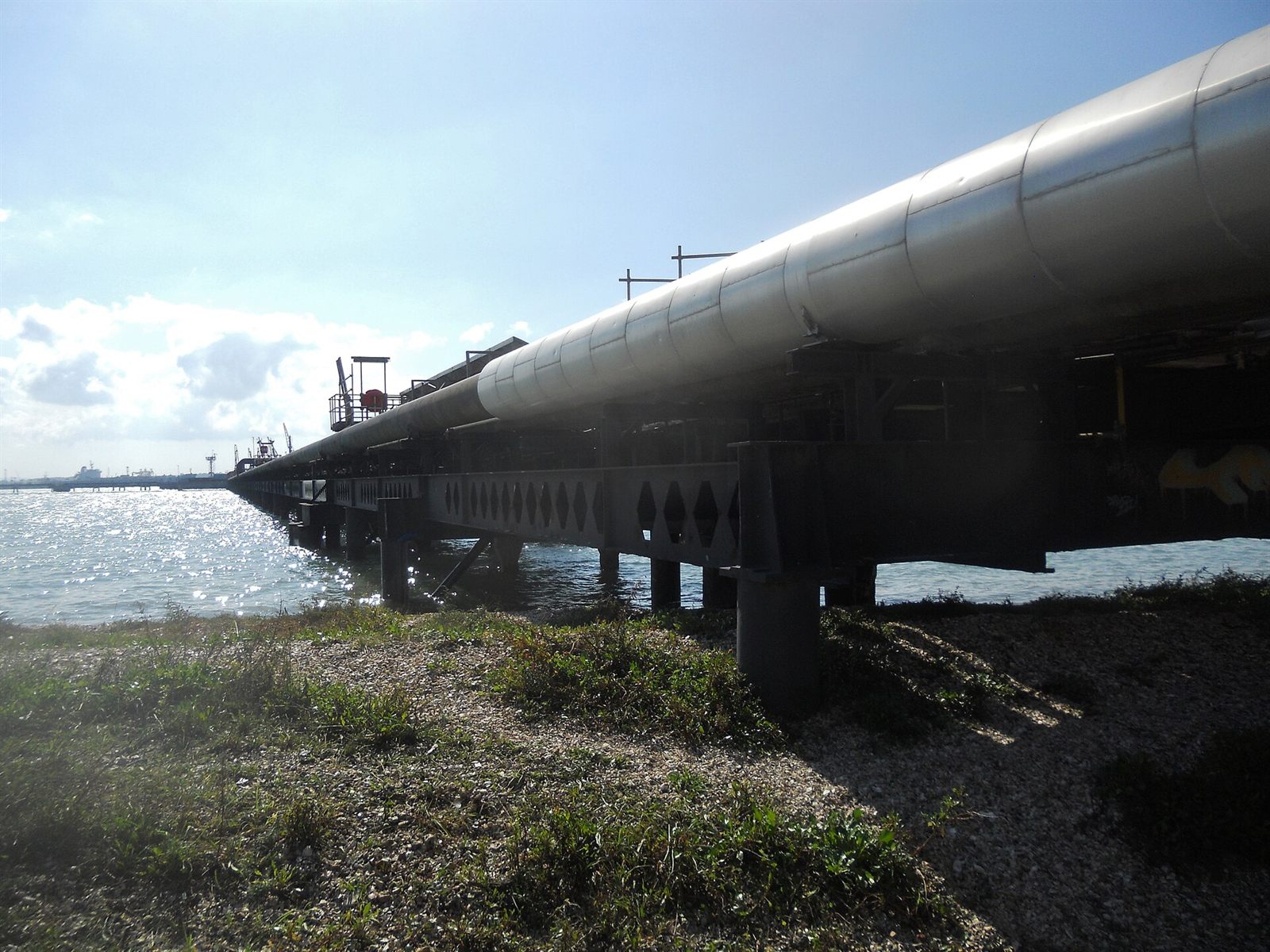
Marine loading line running out along the terminal berth jetty
How it works

From first enquiry to loaded vessel

Four steps, one point of contact. You tell us the product, the volume and the dates — we confirm capacity and run the movement.

1

Share your requirement

Send product grade, volume, receipt and out-turn dates through the enquiry form or straight to our storage desk.

2

Tank allocation & terms

We confirm available tankage, inspection status and throughput, then issue a storage agreement with clear rates and windows.

3

Receipt & storage

Product is received, gauged and sampled on arrival. You get daily inventory and temperature reports while it sits in our tanks.

4

Dispatch & bunkering

Trucks, barges or vessels are loaded against your nomination, with signed tickets and custody documents issued at the rack or berth.

Our terminal

Corpus Christi terminal — open around the clock

Tank farm, loading rack and ship channel berths on one site at Joe Fulton Corridor. Drivers and vessel agents get a single dispatch line, and every nomination is confirmed by the same team that loads it.